

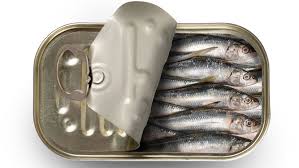
Are sardines healthy?
Sardines – A Small Product, Big Benefits for the Heart
(from a cardiologist's perspective)
If I had to pick one food product that I recommend more often to patients, when thinking about the heart – sardines would be very high on the list.
Not because it's a "superfood." But because it's a very simple, accessible, and scientifically proven choice.
What exactly are sardines?
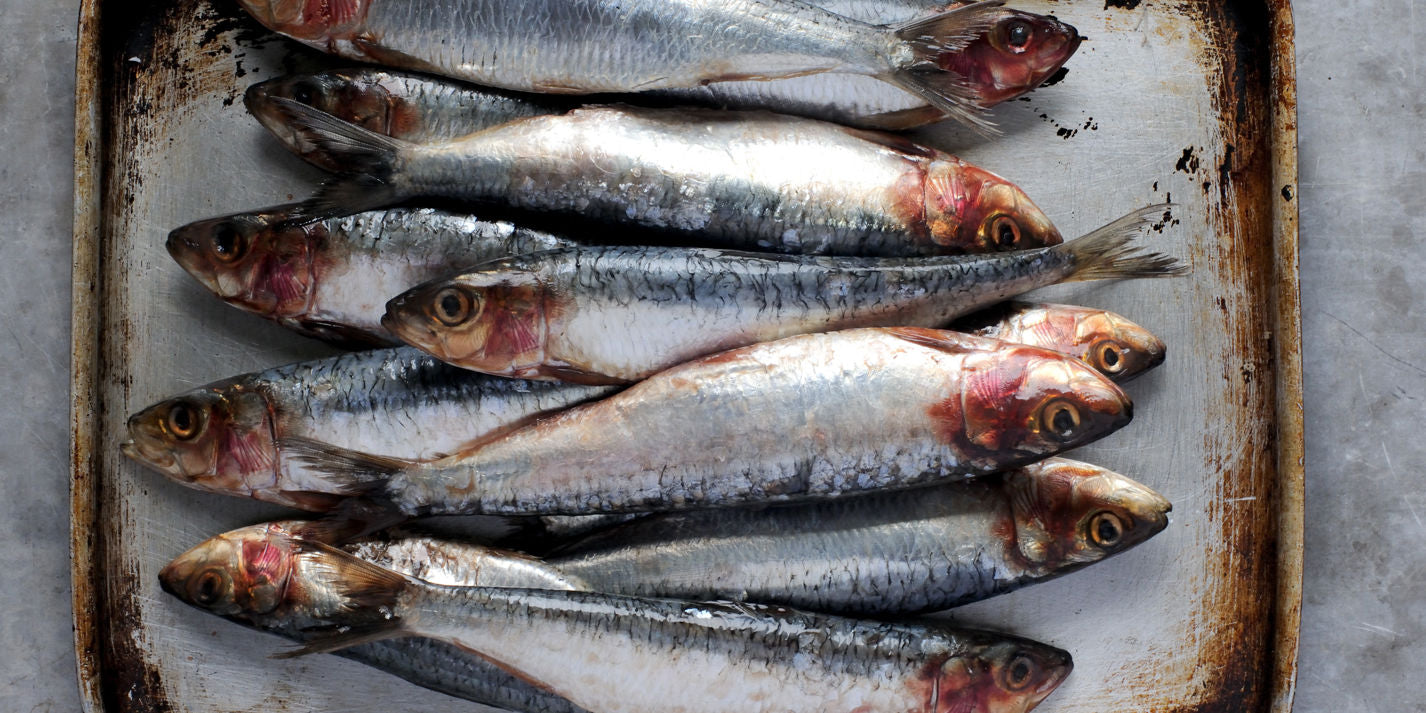
Sardines are small, oily marine fish. They have a short lifespan and feed on plankton, so they don't accumulate as many pollutants in their bodies as larger fish.
This is important, as a common question about fish today is not just "is it healthy," but also "is it safe."
In the case of sardines, the answer is usually – yes.
Why are they so valuable?
First – omega-3 fatty acids.
Sardines are one of the best natural sources of EPA and DHA. These are fatty acids that directly affect the cardiovascular system.
What do they do?
– reduce triglyceride levels in the blood
– help regulate inflammatory processes
– can contribute to blood pressure reduction
– improve blood vessel function
This is not theory – it is based on numerous clinical studies.
Second – protein.
Sardines are rich in high-quality protein, which helps maintain muscle mass, satiety, and overall metabolic health.
Third – micronutrients.
Calcium (especially if eaten with bones), vitamin D, B vitamins, selenium.
This is not just a "little fish." It's a concentrated package of nutrients.
What about cholesterol?
This is where most questions usually arise.
"Can I eat sardines if I have high cholesterol?"
The short answer is – yes, and often it's even beneficial.
Sardines do contain cholesterol, but that's not the most important thing.
More important is how they affect the lipid profile overall.
Omega-3 fatty acids:
– reduce triglycerides
– can slightly increase "good" HDL cholesterol
– help reduce inflammation, which is important in the process of atherosclerosis
LDL ("bad" cholesterol) can sometimes increase slightly, but its structure often changes – particles become larger, less atherogenic.
And this is an important detail that is rarely discussed.
It's important to understand – one product will not "save" or "ruin" cholesterol.
The entire dietary pattern is important.
And sardines fit into it very nicely.
How much should you eat?
In practice, we usually recommend:
2–3 servings of oily fish per week.
Sardines are ideal for this.
Especially if they are canned sardines in olive oil – they retain most of their nutritional properties and are easily accessible.
What to pay attention to?
– choose sardines in olive oil or their own juices
– pay attention to the salt content (especially if you have hypertension)
– don't be afraid to eat them with bones – they are a source of calcium
And one more important detail – simplicity.
Patients often look for complex solutions.
Supplements. Diets. Programs.
But sometimes the solution is very simple:
a good can of sardines
bread
vegetables
olive oil
And that is already a heart-healthy choice.
In summary
Sardines are not a miracle.
But they are one of those products that consistently, quietly do good work.
They help improve lipid profiles, reduce inflammation, and contribute to overall heart health.
And perhaps that is the most important thing – not to search for one "miracle" ingredient, but to choose such simple, reliable solutions every day.
— from a doctor, cardiologist's perspective
%0AIf%20I%20had%20to%20pick%20one%20food%20product%20that%20I%20recommend%20more%20often%20to%20patients,%20when%20thinking%20about%20the%20heart%20%E2%80%93%20...)
Leave a comment
This site is protected by hCaptcha and the hCaptcha Privacy Policy and Terms of Service apply.